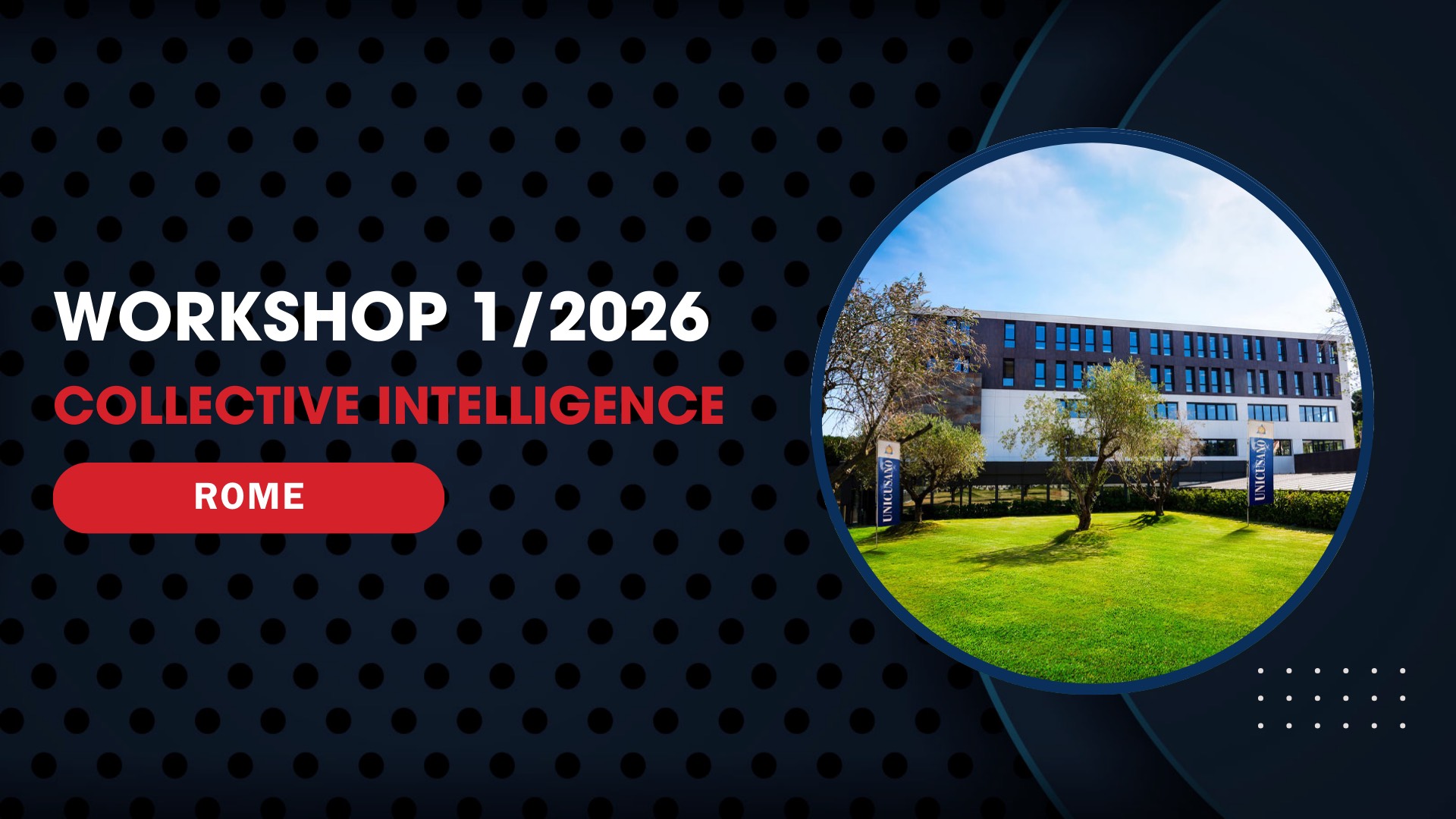
Collective Intelligence Workshop in Rome
Mobility governance: Italian, Spanish, and EU approaches.
Workshop Overview
The Spanish Institute for Migration Analysis (IEAM), in collaboration with AMIStaDeS, organised a collective intelligence workshop on Friday, 6 February. The event provided an opportunity to compare Italian and Spanish approaches within the broader EU framework, to examine how these policies are perceived and experienced by African partners and practitioners, and to identify areas where cooperation could be made more realistic, operational, and aligned with both protection imperatives and broader policy objectives.
The meeting was held behind closed doors at Università Niccolò Cusano from 9:30 a.m. to 4:30 p.m., bringing together around forty participants under the Chatham House Rule, ensuring that contributions remained confidential in order to foster open and frank discussion.
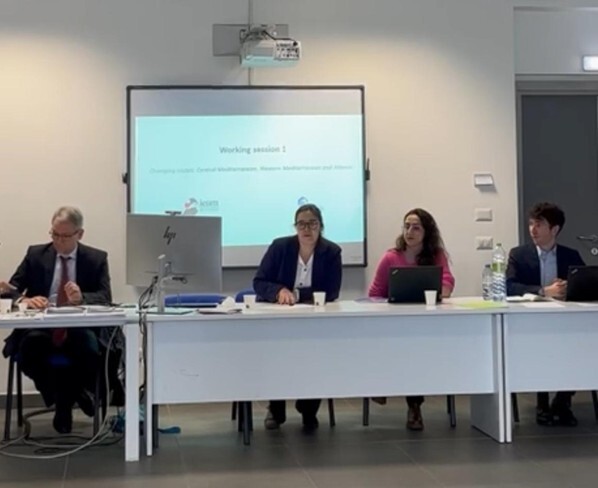
Participants
The workshop brought together a diverse range of stakeholders, including UN agencies (UNODC, UNHCR), regional government agencies (Canary Islands), the NATO Southern Hub, European institutions (EEAS, EUSR), national ministries (Italy, Spain, France), humanitarian organisations (MSF), faith-based and civil society organisations (Sant'Egidio), think tanks, research institutions, and African experts.
This diversity enabled cross-cutting institutional, operational, and analytical perspectives on Euro-African mobility issues.
Workshop Objectives
This collective intelligence workshop aimed to establish a shared understanding of how Italy, Spain, the EU, and their African partners define and implement mobility governance. It also sought to strengthen joint analysis of ongoing dynamics along the Central Mediterranean, Western Mediterranean, and Atlantic routes.
In addition, the workshop examined cooperation frameworks with African states, assessing their real-world effects, and provided space to discuss transit economies, organised crime, and anti-smuggling responses, with particular attention to unintended consequences and harm-reduction alternatives.
Finally, it aimed to identify practical follow-up options and operational pathways to enhance cooperation between Italy, Spain, the EU, and African partners.
Themes Discussed
The workshop was structured around several key sessions:
Opening session – Italy, Spain, the EU and Africa: Toward a common vision of mobility?
This session aligned perspectives on mobility governance and identified areas where EU and African approaches converge or diverge.
Working session 1 – Changing routes: Central Mediterranean, Western Mediterranean and Atlantic
This session analysed shifts in migration flows and routes, the role of transit countries, and how EU and national measures influence route dynamics and protection outcomes.
Working session 2 – Partnerships with African states: Security, development and mobility "packages"
This session examined how cooperation frameworks are designed and implemented, assessed their real-world effects, and explored how African partners perceive their legitimacy and sustainability.
Working session 3 – Transit economies, organised crime and the fight against migrant smuggling
This session examined the logics underpinning facilitation networks and transit economies and explored how to weaken criminal networks without increasing risks for migrants or harming local communities.
Closing remarks
This session consolidated the main insights, translated them into operational recommendations, and identified follow-up avenues.
Outputs
Building on the workshop discussions, IEAM will publish a series of Policy Papers in the coming months, summarising key findings and providing practical recommendations.
The workshop also strengthened the Italy–Spain–EU–Africa network of stakeholders on migration and mobility and identified a set of follow-up initiatives aligned with stakeholder interests and institutional constraints.
Get in touch with us
Do you have any questions or comments? We are here to help and collaborate on migration and public policy projects.