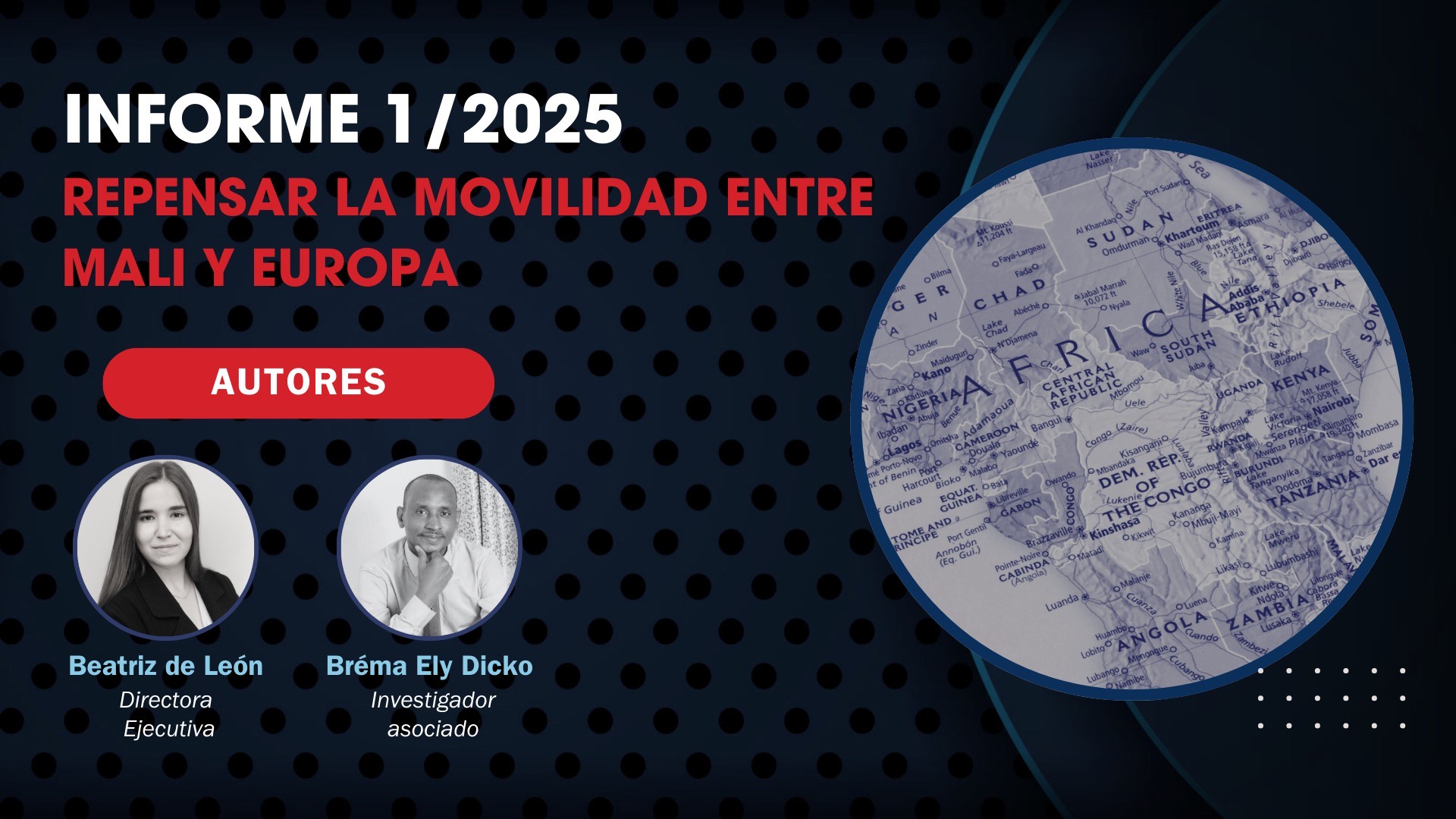
Repensar la movilidad entre Mali y Europa
Un marco para ordenar la movilidad, reducir los costes humanos y crear beneficios compartidos para países de origen, tránsito y destino.
RESUMEN EJECUTIVO
El objetivo de este policy paper es proponer un marco de acciones concretas para la movilidad legal y circular, la reintegración de las personas que retornan y la gobernanza regional de las rutas migratorias entre Mali, su subregión y Europa. El documento forma parte de una serie de trabajos del Instituto Español de Análisis Migratorio (IEAM) y es el resultado de un taller de inteligencia colectiva celebrado en Bamako con actores institucionales, académicos e investigadores especializados en migraciones, asociaciones, técnicos y economistas, orientado a identificar prioridades comunes y proponer mecanismos operativos.
Para España y, en general, para Europa, la dinámica reciente en la ruta atlántica —donde los malienses se encuentran entre las nacionalidades más presentes en la ruta hacia Canarias— invita a ir más allá de la gestión de emergencias para construir soluciones estructurales.
MENSAJES ESTRATÉGICOS
- Es esencial contar con un compromiso colectivo y un enfoque multiactor: los Estados, las entidades locales, la diáspora y los socios internacionales deben construir conjuntamente los dispositivos, poner en común la financiación y definir indicadores comunes.
- Una reintegración satisfactoria pasa por el arraigo comunitario, si inclusión económica y el seguimiento local, favoreciendo los enfoques colectivos y la financiación mixta.
- La movilidad legal y circular debe tratarse como una prioridad estratégica, con acuerdos multilaterales bien estructurados y procedimientos claros y flexibles.
- La consolidación de los mecanismos regionales (CEDEAO, UA, AES, bilaterales) es indispensable y debe ser más pragmática y garantizar una mejor protección de las personas con estatus migratorios cambiantes.
- La coordinación interestatal y la gestión local de los flujos deben evolucionar hacia comités e indicadores comunes, arraigados en el terreno.
- La protección de las mujeres y los niños debe convertirse en un eje transversal importante, con dispositivos adaptados y respaldados por la recopilación de indicadores cualitativos (seguridad, salud, acceso a los derechos). Se invita a los donantes y diplomáticos a dar prioridad a este aspecto para cubrir el vacío existente en las respuestas operativas.
- La sostenibilidad y la mutualización de la financiación: es urgente integrar los recursos locales, la inversión de la diáspora y un enfoque de cofinanciación inicial para superar el modelo dependiente de los donantes y asegurar la continuidad.
- El seguimiento, la transparencia y la adaptación continua son la clave del éxito: cada acción, cada programa debe ser objeto de seguimiento, documentación y evaluación para poder corregirlo, ampliarlo o detenerlo en función de los resultados medidos.
Basado en el Policy Paper «Repensar la movilidad entre Mali y Europa», elaborado por Beatriz de León Cobo y el Pr. Bréma Ely Dicko.
Equipo IEAM
Investigación
Sigue explorando
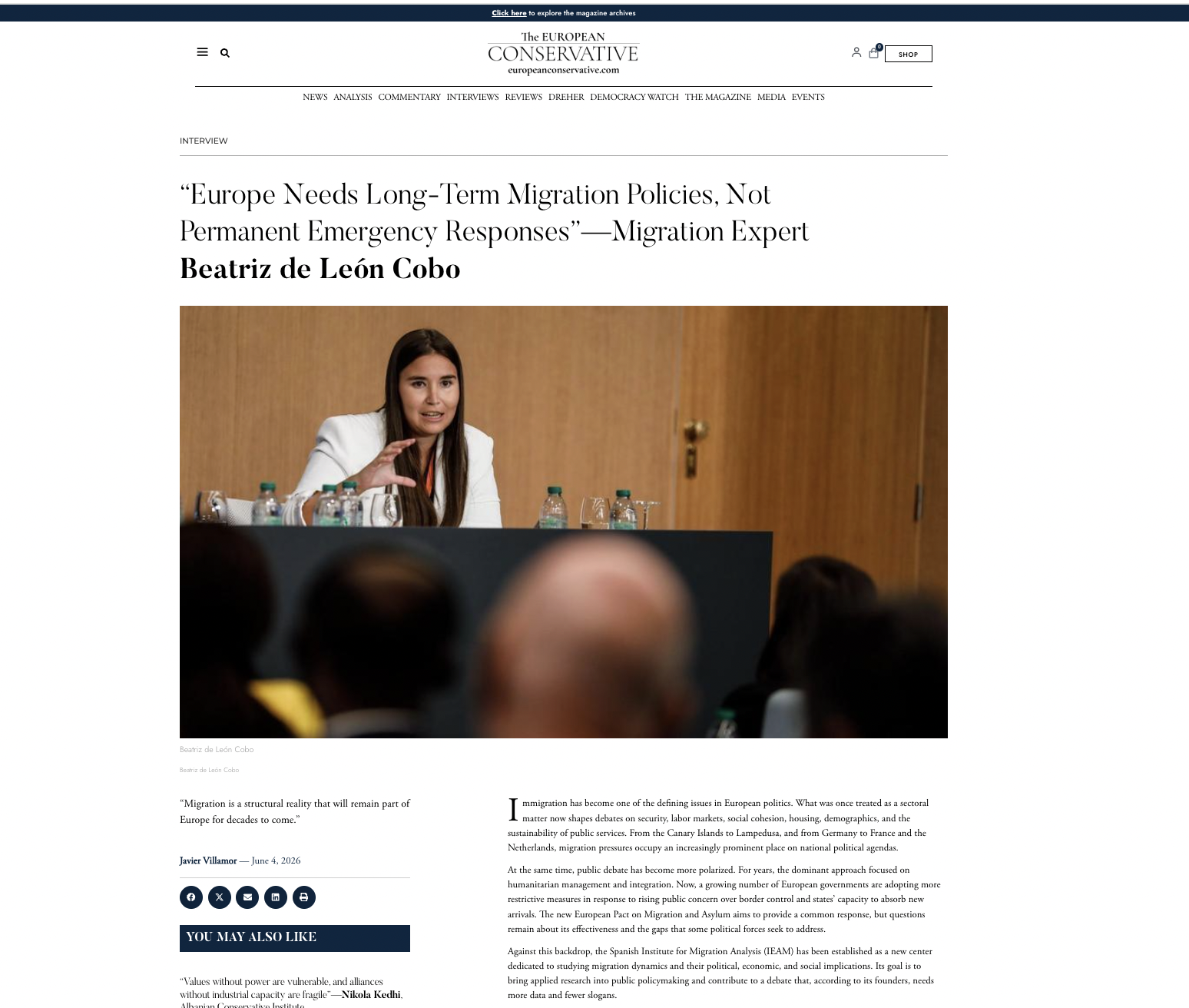
The European Conservative entrevista a Beatriz de León Cobo sobre migración, Sahel y políticas europeas
La directora del IEAM analiza los desafíos migratorios actuales, la polarización del debate público y la necesidad de construir políticas migratorias más técnicas, precisas y de largo plazo.
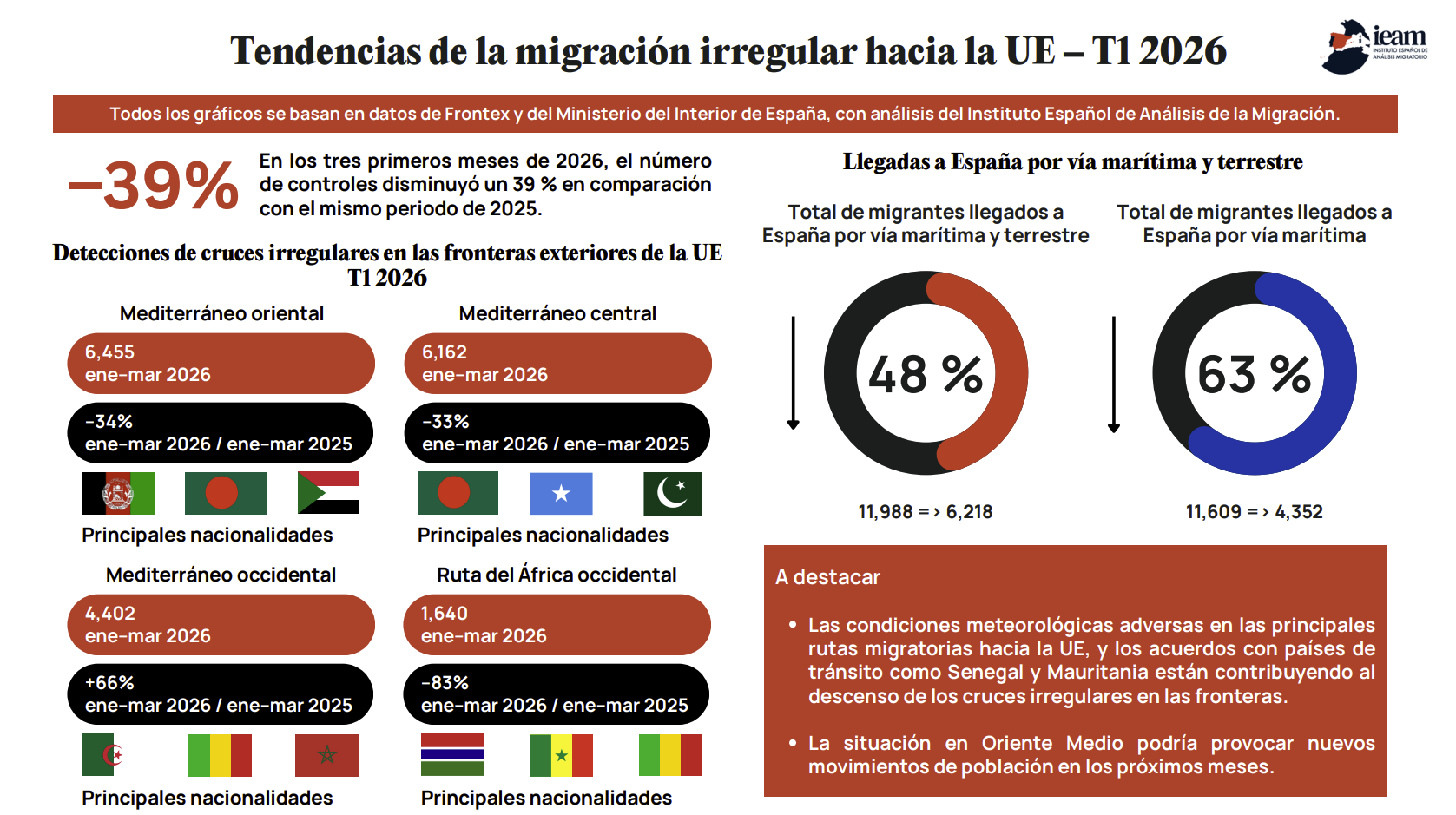
Tendencias de la migración irregular hacia la UE – T1 2026
Análisis de las principales tendencias de la migración irregular hacia la UE en el primer trimestre de 2026, a partir de datos de Frontex y el Ministerio del Interior de España.
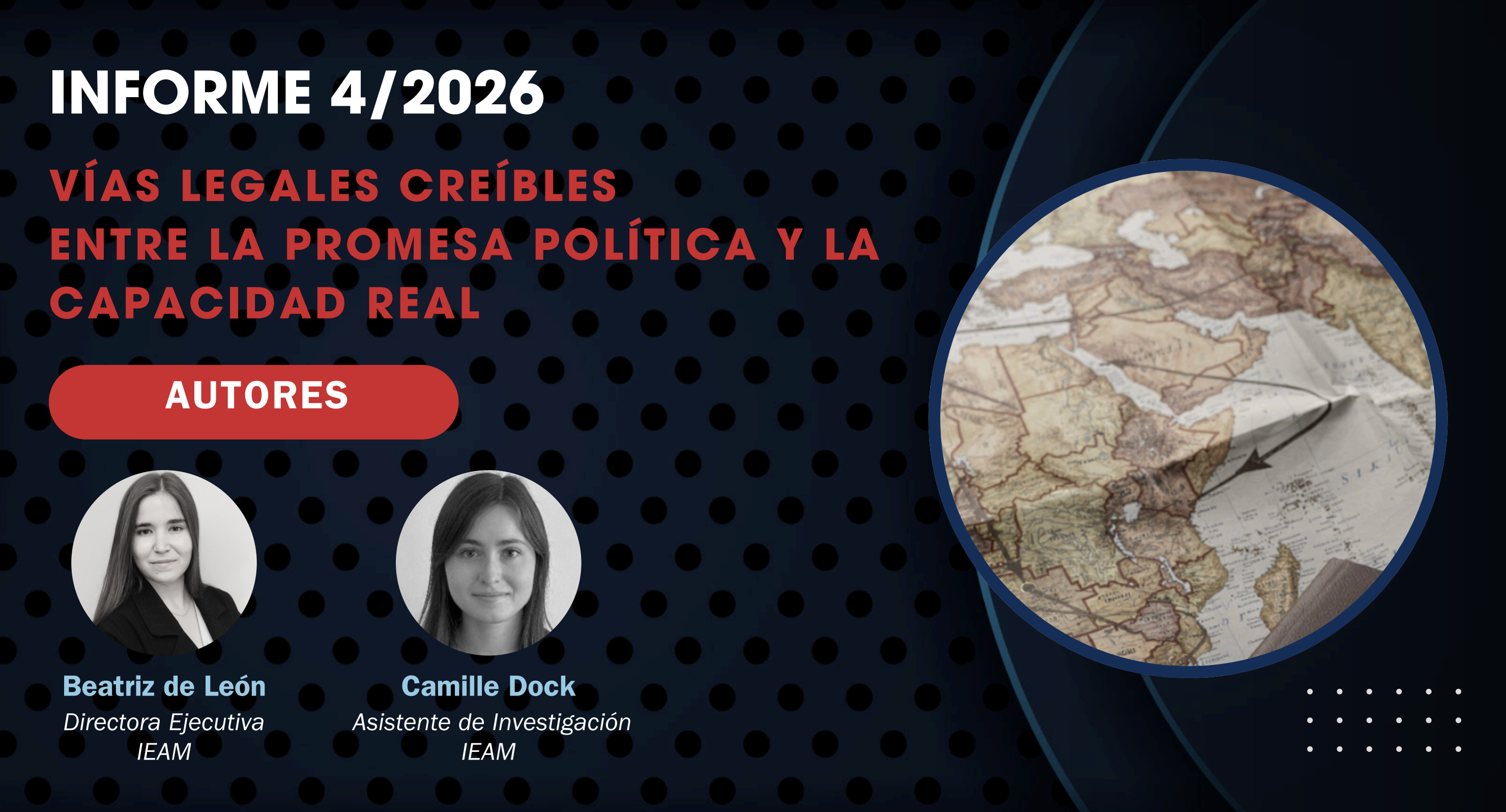
Vías legales creíbles: Entre la promesa política y la capacidad real
Orientaciones estratégicas para convertir las vías legales en mecanismos eficaces y sostenibles.
Ponte en contacto con nosotros
¿Tienes alguna pregunta o comentario? Estamos aquí para ayudarte y colaborar en proyectos relacionados con migraciones y políticas públicas.